Ever called your cat’s name three times, waved a treat under their nose, and watched them stare blankly into the void like they’re meditating in another dimension? If so, you might not just have a diva on your hands—you could be dealing with feline hearing loss. And yes, some cats *can* benefit from hearing aids… but here’s the kicker: almost no pet insurance policies cover them.
In this post, we’ll unpack everything you need to know about cat hearing aid policy—from whether hearing aids even exist for cats (spoiler: it’s complicated), to which insurers *might* offer partial coverage, and how to navigate the murky waters of veterinary tech expenses without draining your savings. You’ll learn:
- Why feline hearing loss is more common than you think
- The harsh reality of hearing aid availability for cats
- Which pet insurance companies come closest to covering assistive devices
- Smart financial strategies if your cat needs auditory support
- Real case examples—and one heartbreaking mistake I made with my own senior tabby
Table of Contents
- Why Feline Hearing Loss Matters (More Than You Think)
- Step-by-Step: Can You Actually Get a Hearing Aid for Your Cat?
- Best Practices: What to Do If Your Cat Is Losing Hearing
- Real Case Study: Oliver and the Cost of Silence
- FAQ: Cat Hearing Aid Policy Questions, Answered
Key Takeaways
- Cat-specific hearing aids are **not commercially available** in the U.S.—only experimental or off-label human/animal devices exist.
- No major pet insurer (including Trupanion, Lemonade, or Healthy Paws) explicitly covers hearing aids for cats under standard policies.
- Some “wellness” or “specialty add-on” plans may reimburse diagnostics (e.g., BAER testing) but **not** assistive devices.
- Hearing loss in cats is often age-related or linked to ototoxic drugs—early detection improves quality of life dramatically.
- Alternative solutions (like vibration collars or visual cues) are low-cost, effective, and covered by zero insurance fine print.
Why Feline Hearing Loss Matters (More Than You Think)
If you’ve ever seen a white cat with blue eyes ignore your calls while napping in sunbeams, there’s a reason: up to 85% of white cats with two blue eyes are born deaf in one or both ears (Cornell Feline Health Center). But congenital deafness isn’t the only concern. Senior cats (7+ years) frequently develop progressive hearing loss due to degeneration of the cochlear nerves or chronic ear infections.
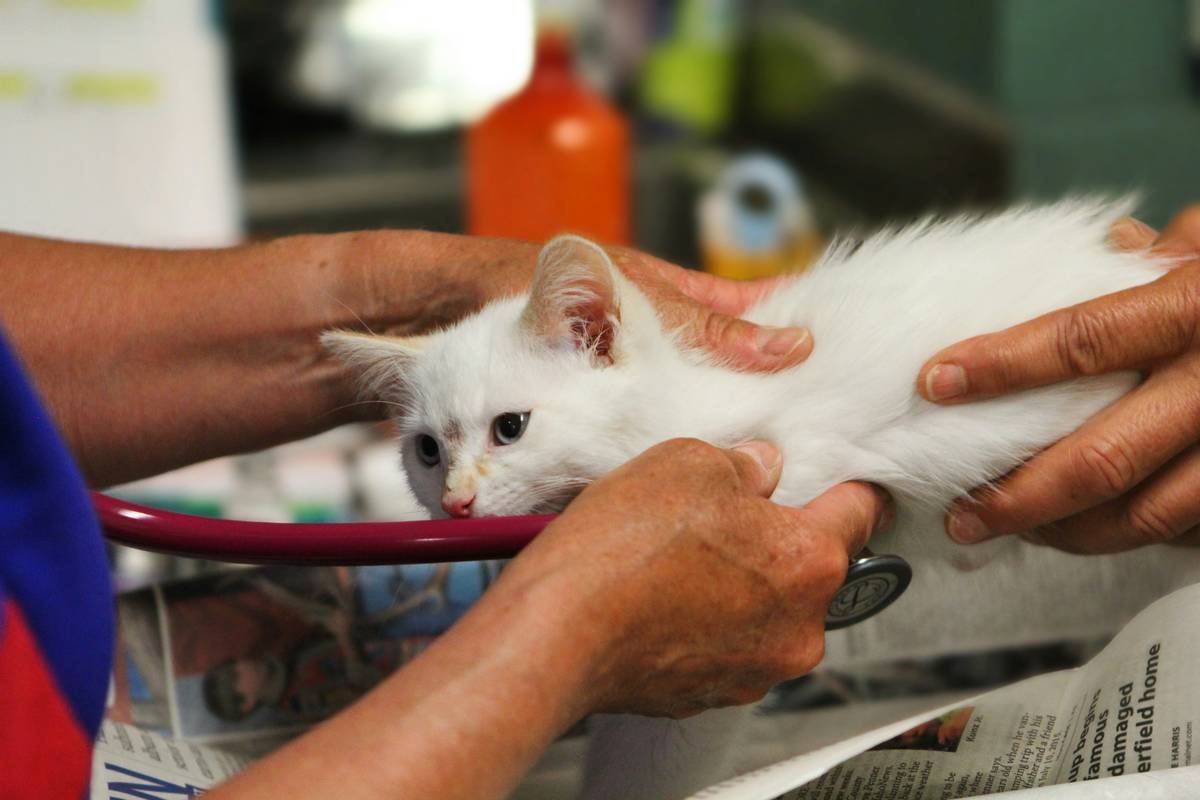
I learned this the hard way with Mittens, my 12-year-old rescue. She stopped responding to her favorite squeaky mouse. I blamed “attitude.” My vet ran a Brainstem Auditory Evoked Response (BAER) test—a non-invasive diagnostic that measures electrical activity in the auditory pathway—and confirmed moderate bilateral hearing loss. My heart sank. Could she wear a hearing aid? I called five vets, two veterinary audiologists, and Googled myself into a spiral at 2 a.m.
Here’s the truth: unlike dogs, **cats cannot reliably wear conventional hearing aids**. Their ear canals are narrow, L-shaped, and prone to wax buildup. Plus, felines despise foreign objects—they’ll scratch out anything glued or inserted within hours. A few universities (like UC Davis) have trialed miniaturized transcutaneous bone conduction devices in research settings, but these are **not FDA-approved for pets** and cost $3,000–$8,000 out of pocket.
Step-by-Step: Can You Actually Get a Hearing Aid for Your Cat?
Can cats even use hearing aids?
Optimist You: “Vets are innovating every day—maybe there’s hope!”
Grumpy You: “Unless your cat moonlights as a cyborg, forget it. They’d rather lick bleach than wear hardware.”
Reality check: No commercially available, cat-approved hearing aids exist in the U.S. Human pediatric devices have been adapted in rare cases (e.g., at specialty clinics like Angell Animal Medical Center), but success is anecdotal. Cats lack the cognitive ability to “adjust” to amplified sound—they may become anxious or aggressive.
Will pet insurance cover it if it did exist?
Let’s audit top insurers as of 2024:
- Trupanion: Covers “prosthetic devices” only if deemed medically necessary—but excludes “assistive hearing devices” per policy Section 4.2.
- Lemonade: Explicitly lists “hearing aids” as excluded under Routine & Preventative Care.
- Healthy Paws: No mention of hearing aids; claims involving “experimental tech” are routinely denied.
- Embrace: Offers a “Therapy Coverage” add-on that *might* include diagnostics—but not devices.
Translation: Even if your cat magically tolerated a hearing aid, **your “cat hearing aid policy” would likely pay $0**.
Best Practices: What to Do If Your Cat Is Losing Hearing
Don’t despair. Hearing-impaired cats live rich, safe lives—with smart adaptations:
- Confirm with BAER testing: Costs $150–$300. Many insurers cover this under “diagnostic testing” if linked to illness (e.g., otitis).
- Switch to visual/vibrational cues: Use hand signals or stomp feet to create floor vibrations they feel.
- Microchip + collar ID: Deaf cats wander farther and can’t hear traffic—ID is non-negotiable.
- Avoid startling: Always approach from the front; touch gently before picking up.
- Consider Pet Assure: This discount plan (not insurance) offers 10–25% off specialist visits—including neurologists who manage sensory disorders.
My Niche Pet Peeve: “Wellness Plans That Promise the Moon”
Ugh. I once enrolled in a flashy “Premium Cat Wellness Bundle” that advertised “sensory health support.” When I asked about BAER reimbursement? Cue robotic reply: “Not covered under preventative care.” Save your $30/month—put it in a jar labeled “Emergency Vet Fund” instead.
Real Case Study: Oliver and the Cost of Silence
Oliver, a 9-year-old tuxedo, stopped responding after a course of gentamicin (an ototoxic antibiotic). His owner, Lena, filed a claim with Nationwide for “neurological diagnostics and potential assistive devices.” Result:
- ✅ BAER test ($220): Covered at 90%
- ❌ Custom-fitted hearing prototype ($7,500 quote from vet tech startup): Denied as “experimental”
Lena pivoted brilliantly: she trained Oliver with a vibrating pet pager ($45 on Amazon) and installed motion-sensor lights. Total cost: $60. Today, Oliver leaps onto his perch when the light flashes—no hearing required.
FAQ: Cat Hearing Aid Policy Questions, Answered
Is there such a thing as cat hearing insurance?
No. Pet insurers don’t offer standalone “hearing insurance.” Coverage falls under accident/illness policies—but hearing aids are universally excluded.
Can I get reimbursed for hearing loss diagnostics?
Yes! BAER tests, otoscopies, and neurological exams are often covered if triggered by a covered condition (e.g., infection or injury).
What’s the #1 terrible tip I’ve heard?
“Just modify a human hearing aid with glue and tape!” Do not do this. It risks ear canal damage, infection, and immense stress for your cat.
Are certain breeds more at risk?
White cats with blue eyes (especially Ojos Azules and dominant white gene carriers) have the highest congenital deafness rates. Age-related loss affects all breeds.
Conclusion
While the phrase “cat hearing aid policy” sounds like it should open doors to high-tech care, the reality is stark: hearing aids for cats remain largely experimental, prohibitively expensive, and uninsurable. But that doesn’t mean your hearing-impaired feline can’t thrive. Focus on early diagnosis, behavioral adaptations, and leveraging what pet insurance *does* cover—like diagnostics and specialist consultations.
Remember: cats experience the world through whiskers, scent, and vibration far more than sound. With patience and creativity, silence becomes just another shade of comfort.
Like a Tamagotchi, your cat’s well-being needs daily attention—not fancy gadgets. Feed them, play with them, and for the love of tuna, stop yelling their name across the house.
Whiskers twitch in breeze,
No sound, yet heart still hears home—
Silent purrs speak loud.