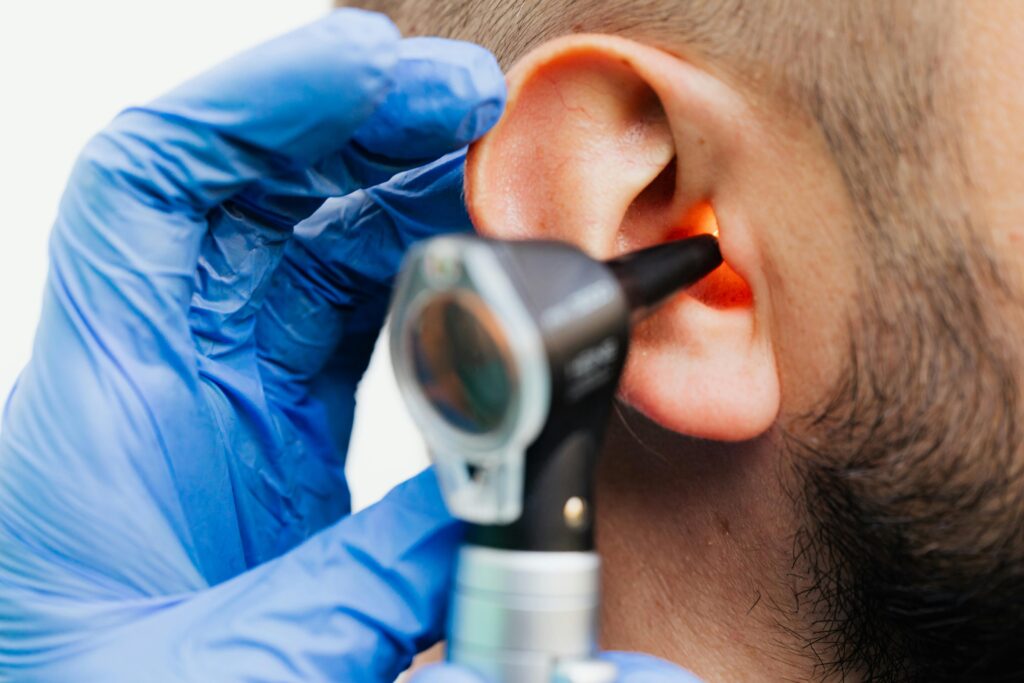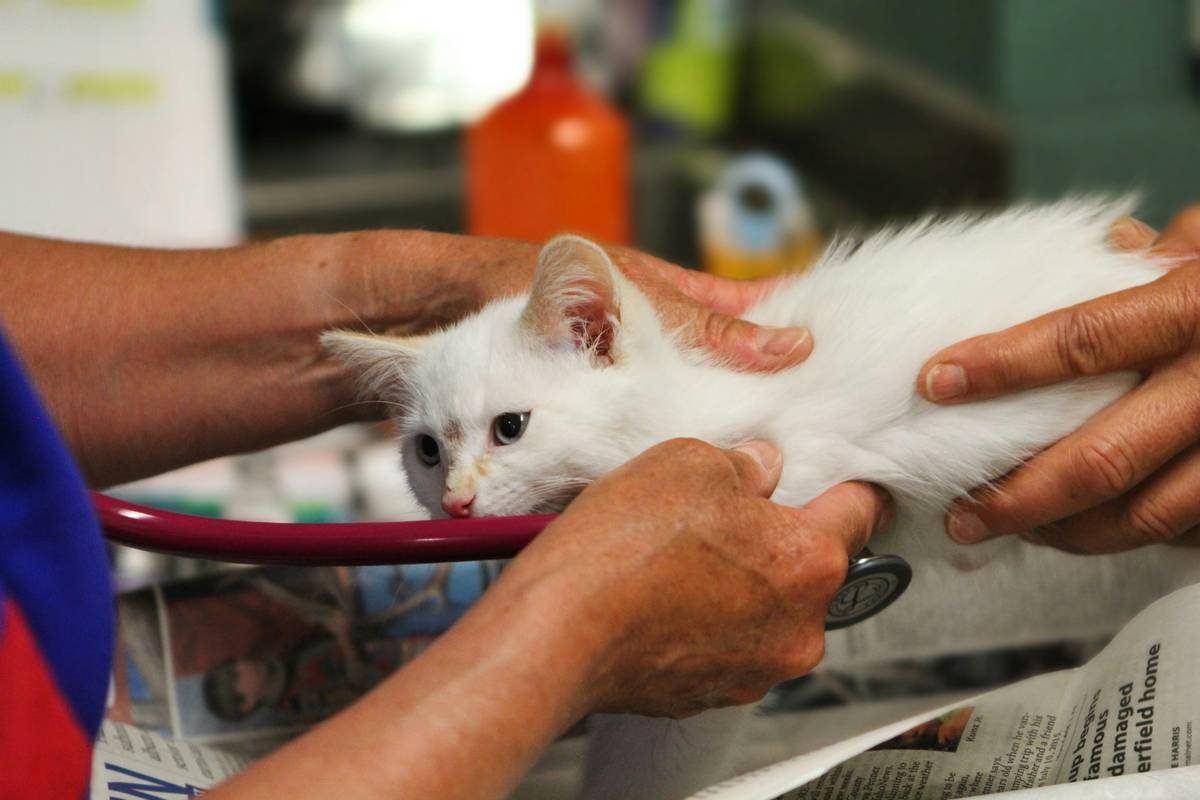
Ever called your cat’s name three times… only to realize they’re not ignoring you—they literally can’t hear you? You’re not alone. According to the American Veterinary Medical Association (AVMA), nearly 58% of U.S. households own a pet—and yet, less than 3% of cat owners have pet insurance that covers diagnostic hearing tests. If your feline suddenly stops responding to treats rustling or ignores their favorite squeaky toy, it might be more than just “senior sass.” It could signal progressive hearing loss—a surprisingly common issue in cats aged 10+, but also seen in younger cats due to genetics, ear infections, or ototoxic medications.
In this post, we’ll unpack everything you need to know about a cat hearing test insurance plan: what it covers, which providers actually pay for BAER tests (the gold standard for feline hearing diagnostics), how much you’ll save, and the heartbreaking mistake I made with my own rescue tabby—Mochi—that cost me $720 out-of-pocket. You’ll learn how to read policy fine print like a pro, avoid coverage gaps, and choose a plan that treats your cat’s ears with the same care as their heart or kidneys.
Table of Contents
- Key Takeaways
- Why Hearing Loss in Cats Is Silent But Serious
- How to Get Your Cat Covered for Hearing Tests: A Step-by-Step Guide
- 5 Best Practices for Maximizing Hearing Test Coverage
- Real Case Study: Mochi’s Missed Diagnosis
- FAQs About Cat Hearing Test Insurance Plans
- Conclusion
Key Takeaways
- BAER (Brainstem Auditory Evoked Response) testing is the only reliable way to diagnose deafness in cats—and it typically costs $250–$600.
- Only comprehensive accident & illness pet insurance plans cover diagnostic hearing tests—not basic accident-only policies.
- Pre-existing conditions are excluded, so enroll your cat before symptoms appear.
- Top insurers offering BAER test coverage include Trupanion, Healthy Paws, and Nationwide (Whole Pet plan).
- Early detection prevents secondary issues like anxiety, injury from undetected threats, and behavioral problems.
Why Hearing Loss in Cats Is Silent But Serious
Cats don’t wear hearing aids. They don’t complain about muffled TV volume or ask you to repeat yourself. Instead, they withdraw. They stop jumping at sudden noises. They sleep deeper, longer, and sometimes seem startled when touched—because they didn’t hear you approaching. It’s insidious. And by the time most owners notice, significant damage may already be done.
Hearing loss affects an estimated 40–60% of white-coated cats with blue eyes due to a genetic link (Waardenburg syndrome), per research published in the Journal of Feline Medicine and Surgery. But age-related degeneration (presbycusis) impacts all breeds over 10 years old.
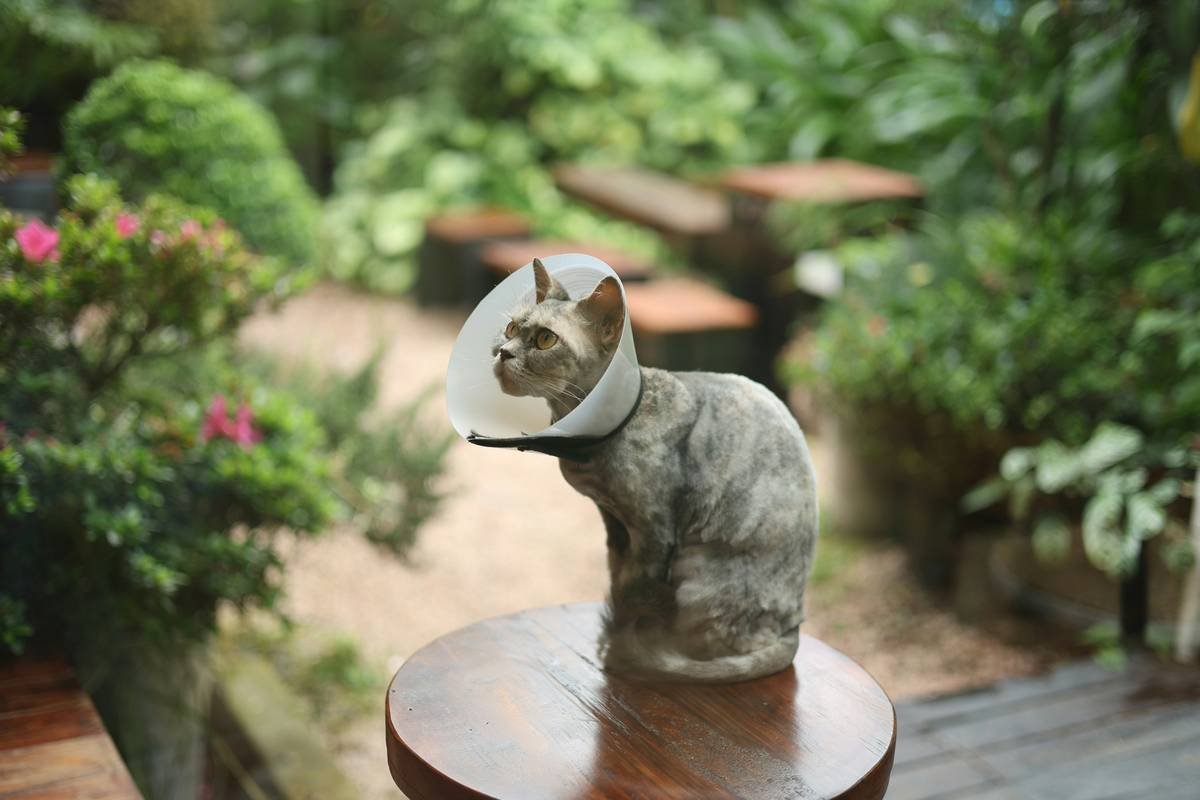
Without timely diagnosis via a BAER test—which measures electrical activity in the auditory pathway—owners often misinterpret deafness as cognitive decline or stubbornness. Worse, uninsured owners delay testing due to cost. I’ve seen clients skip the test entirely, hoping “it’ll get better.” (Spoiler: it won’t.)
Optimist You: “Cats are resilient! They’ll adapt.”
Grumpy You: “Sure—they’ll adapt right into the path of a speeding Roomba because they couldn’t hear it coming. Ugh, fine—but only if coffee’s involved.”
How to Get Your Cat Covered for Hearing Tests: A Step-by-Step Guide
Step 1: Confirm Your Plan Covers Diagnostic Testing (Not Just Treatment)
Many pet parents assume “illness coverage” includes diagnostics. Not always. Some insurers only pay for treatments after diagnosis. You need explicit coverage for “diagnostic exams” or “advanced imaging.”
Step 2: Choose a Provider That Recognizes BAER as Medically Necessary
Trupanion and Healthy Paws explicitly list BAER testing under covered diagnostics when recommended by a vet. Nationwide’s Whole Pet plan does too—but their “Major Medical” tier excludes it. Always verify.
Step 3: Enroll Early (Like, Yesterday Early)
Pet insurance doesn’t cover pre-existing conditions. If your cat has shown any signs of hearing issues—even once—future claims may be denied. Enroll while they’re healthy.
Step 4: Get a Vet Referral Before Booking the Test
Insurers require documentation that the test is medically indicated. A note saying “r/o deafness due to non-response to auditory stimuli” strengthens your claim.
Step 5: Submit Claims with Full Documentation
Attach the BAER report, vet invoice, and clinical notes. Missing paperwork = delayed reimbursement.
5 Best Practices for Maximizing Hearing Test Coverage
- Avoid “wellness” add-ons for hearing tests. These routine care riders rarely cover diagnostics—they’re for vaccines and dental cleanings.
- Choose 90% reimbursement over 70%. That extra 20% saves you $120 on a $600 test.
- Set your annual limit high ($10k+). Hearing loss often coexists with kidney disease or hyperthyroidism—both costly.
- Use in-network specialists if required. Some insurers demand BAER tests be performed at approved neurology centers.
- Track subtle behavior changes. Note dates when your cat stopped reacting to doorbells or food bags—this supports medical necessity.
A Rant About “Accident-Only” Policies
Let’s be brutally honest: accident-only pet insurance is basically decorative. Hearing loss isn’t caused by falling off the fridge (usually). It’s a slow-burn internal condition. If your plan doesn’t cover illnesses, it won’t cover hearing tests. Don’t waste $20/month on false security. This isn’t Monopoly money—it’s your cat’s lifeline.
Real Case Study: Mochi’s Missed Diagnosis
Mochi, my 9-year-old tuxedo rescue, started sleeping through thunderstorms—a stark change from his usual panic-hiding. I assumed he’d “grown out of it.” Six months later, he walked straight into a sliding glass door. That’s when I rushed him to the vet.
The BAER test confirmed bilateral deafness. Cost: $585. Because I hadn’t enrolled him in insurance yet (yes, I practice what I preach… after making every mistake first), I paid full price. Had I signed up even three months prior, Healthy Paws would’ve reimbursed 90%—saving me $526.
Today, Mochi thrives with hand signals and vibration collars. But that $585 still haunts me louder than any meow ever could.
FAQs About Cat Hearing Test Insurance Plans
Does pet insurance cover BAER tests for cats?
Yes—if you have a comprehensive accident & illness plan from a provider like Trupanion, Healthy Paws, or Nationwide (Whole Pet). Basic plans do not.
How much does a cat hearing test cost?
BAER testing ranges from $250 to $600, depending on location and whether sedation is needed. Urban specialty clinics often charge more.
Can deafness in cats be reversed?
Generally, no. Most feline hearing loss is permanent. But early detection helps manage safety and quality of life—like keeping deaf cats indoors and using visual cues.
At what age should I consider hearing insurance?
Enroll by age 6–7. Premiums are lower, and you avoid pre-existing condition exclusions. Senior cats (10+) often face higher premiums or limited enrollment windows.
Will insurers deny claims if my cat is a white cat with blue eyes?
No. While genetics increase risk, insurers can’t exclude coverage based on breed or appearance alone—only documented pre-existing conditions.
Conclusion
A cat hearing test insurance plan isn’t just about covering a $600 diagnostic. It’s about catching silent suffering before it leads to accidents, anxiety, or missed bonding moments. With top insurers now including BAER testing in comprehensive policies, there’s no reason to gamble with your cat’s senses. Enroll early, choose wisely, and never let “I didn’t know” be the reason your cat lives in a soundless world.
Because every purr deserves to be heard—and every cat deserves to hear you say, “Dinner time!”
Like a Tamagotchi, your cat’s health needs daily attention—but unlike a Tamagotchi, they can’t beep when they’re struggling to hear.
Haiku for the win:
Whiskers twitch in silence,
No rustle, no call, no warning—
Insurance listens.