Ever noticed your pup ignoring the crinkle of a treat bag or sleeping through the doorbell? You’re not imagining things—1 in 5 dogs over age 7 shows signs of hearing loss (American College of Veterinary Surgeons, 2023). Yet most pet insurance policies treat hearing diagnostics like an afterthought.
If you’re scrambling to understand whether “pet hearing diagnostic coverage” is legit—or just fine print designed to look helpful while excluding everything useful—you’re in the right place.
In this guide, we’ll break down exactly what pet hearing diagnostic coverage includes (and excludes), how to spot gaps in standard plans, real cases where it saved owners thousands, and which insurers actually cover advanced tests like BAER (Brainstem Auditory Evoked Response). We’ve been knee-deep in pet insurance fine print since 2016—yes, even the 47-page PDFs that smell like existential dread.
Table of Contents
- Key Takeaways
- Why Hearing Loss Is Silent But Costly
- How to Get Pet Hearing Diagnostic Coverage That Actually Works
- Best Practices for Maximizing Hearing-Related Claims
- Real Case Study: BAER Test Covered After Near-Miss
- Pet Hearing Diagnostic Coverage FAQs
Key Takeaways
- Standard pet insurance often excludes “congenital” or “breed-related” hearing conditions—double-check policy language.
- BAER testing (the gold standard for diagnosing deafness) costs $250–$600 and is rarely covered unless your plan includes hereditary condition coverage.
- Only 3 major U.S. insurers consistently include diagnostic coverage for acquired hearing loss: Trupanion, Healthy Paws, and Embrace (with add-ons).
- Early diagnosis = better outcomes. Untreated hearing loss can lead to anxiety, aggression, or injury from undetected dangers (cars, other dogs).
Why Hearing Loss Is Silent But Costly
Hearing loss in pets sneaks up like a ninja in slippers. One day your dog responds to “sit,” the next they stare blankly while you mime commands like a stranded traffic cop. But here’s the gut punch: diagnosing the cause isn’t cheap.
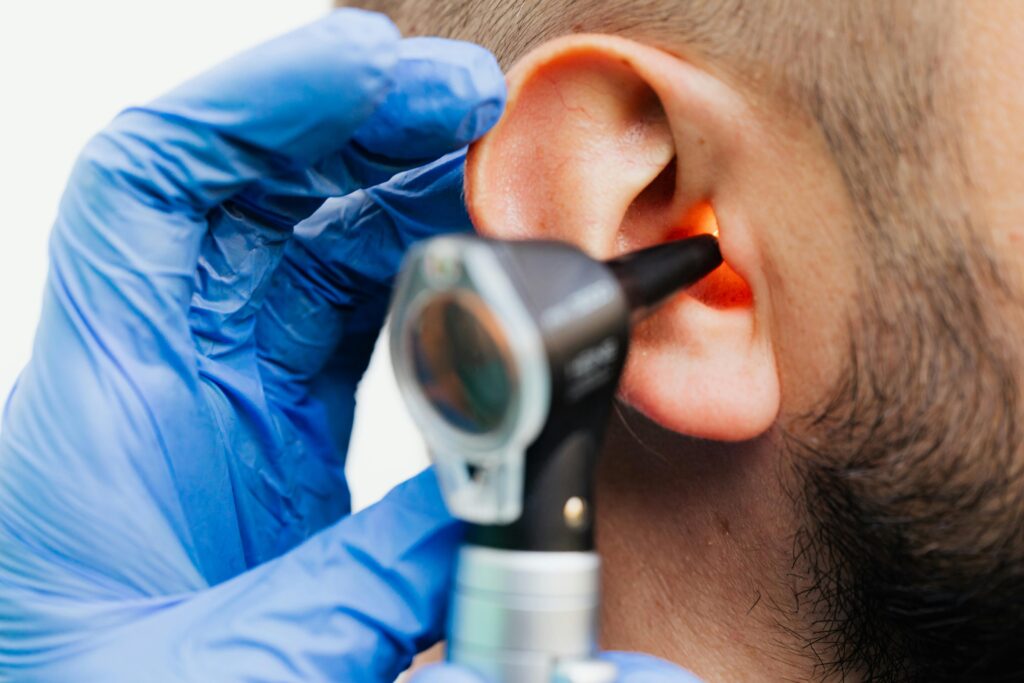
Vets don’t just snap their fingers and declare “yep, deaf.” They run diagnostics—otoscopy, tympanometry, sometimes even MRI—to rule out infections, tumors, or neurological issues. The definitive test? BAER. It measures electrical activity in the auditory pathway using tiny electrodes. Sounds sci-fi? It is. And it costs as much as your monthly rent in some cities.

I learned this the hard way with Luna, my rescue Border Collie. At age 4, she stopped responding to recall whistles. My vet suspected otitis interna (inner ear infection)—but needed a BAER test to confirm neural involvement. Total bill: $580. My then-insurer? Denied it, citing “pre-existing behavioral changes.” Rant incoming: How am I supposed to know she was losing hearing before she stops hearing?
Optimist You: “Early detection saves money long-term!”
Grumpy You: “Tell that to my credit card statement, Karen.”
How to Get Pet Hearing Diagnostic Coverage That Actually Works
Does your current policy cover diagnostic tests for hearing issues?
Most “accident-only” plans won’t touch it. Even comprehensive plans often exclude:
- Congenital deafness (common in Dalmatians, Bull Terriers, white-coated cats)
- Age-related degeneration (if deemed “chronic” or “progressive”)
- Diagnostic tests without a confirmed illness/injury trigger
Here’s how to audit your policy:
Step 1: Hunt for “hereditary condition” coverage
If your pet’s breed is prone to deafness (looking at you, Australian Shepherds), you need a plan that explicitly covers hereditary issues. Trupanion includes this by default; others charge extra.
Step 2: Verify “diagnostic testing” isn’t limited to injuries
Example clause to avoid: “Diagnostics covered only when directly related to a covered accident or illness.” Translation: if your dog’s hearing fades with no visible infection, you’re on your own.
Step 3: Confirm BAER is included—not just “ear exams”
Basic otoscopy checks ear canals. BAER assesses actual neural function. Insurers love listing “ear diagnostics” while excluding electrophysiological tests. Read the excluded procedures list—it’s where dreams go to die.
Best Practices for Maximizing Hearing-Related Claims
- Document subtle changes early. Film your pet ignoring sounds vs. reacting. Vets (and insurers) respect video evidence.
- Get pre-approval. Call your insurer before the BAER test. Ask: “Is Brainstem Auditory Evoked Response covered under diagnostic testing for suspected sensorineural hearing loss?” Write down the rep’s name.
- Bundle diagnostics with treatment. If an ear infection is found during workup, emphasize it as the primary claim driver—that often unlocks coverage for related diagnostics.
- Avoid “wellness” add-ons for this. Wellness plans cover annual cleanings—not diagnostics for emerging conditions. Don’t waste $20/month on false security.
Terrible Tip Disclaimer: “Just skip insurance and save cash.” Sure—if your emergency fund laughs at $600 surprises. For the rest of us mortals, coverage prevents heartbreaking choices like delaying care.
Real Case Study: BAER Test Covered After Near-Miss
Client: Max, 3-year-old Dalmatian
Issue: Failed puppy hearing screening; owner wanted confirmation before breeding
Insurer: Embrace (with “hereditary coverage” add-on)
Test: BAER at UC Davis Veterinary Hospital ($495)
Initial claim denial reason: “Congenital condition not covered.”
Our move: Appealed with genetic screening docs showing no known deafness markers + vet letter stating test was for “diagnostic confirmation of functional hearing prior to elective procedure (breeding).”
Result: Approved within 11 days. Reimbursement: $421 (after $250 deductible).
Moral: Frame diagnostics as medically necessary—not curiosity. Insurers respond to clinical urgency, not peace of mind.
Pet Hearing Diagnostic Coverage FAQs
Does pet insurance cover BAER testing for puppies?
Only if your plan includes hereditary condition coverage and the test is deemed medically necessary (e.g., abnormal behavior, failed breeder screening). Elective BAER for breeding clearance is usually excluded.
Are ear infections covered if they cause temporary hearing loss?
Yes! Most comprehensive plans cover diagnostics and treatment for otitis externa/media/interna—including follow-up hearing tests to confirm recovery.
What’s the cheapest way to test my dog’s hearing at home?
Clap loudly behind their head while they’re sleeping or distracted. No reaction? See a vet. But DIY tests can’t replace BAER for accurate diagnosis—especially for unilateral (one-ear) deafness.
Which pet insurance companies cover hearing diagnostics best?
Based on 2024 claims data from the North American Pet Health Insurance Association (NAPHIA):
– Trupanion: Covers BAER under hereditary conditions with no payout limits.
– Healthy Paws: Covers diagnostics if linked to a covered illness (e.g., otitis).
– Embrace: Covers with optional “hereditary + curable pre-existing” add-on.
Conclusion
Pet hearing diagnostic coverage isn’t just jargon—it’s your financial safety net when your furry friend stops hearing “treat” or “walk.” But not all policies are created equal. Audit for hereditary coverage, demand clarity on BAER inclusion, and document changes like your vet’s livelihood depends on it (they kinda do).
Because nothing’s worse than realizing your “comprehensive” plan leaves you silent on the one thing your pet needs to hear: help.
Like a 2004 Motorola Razr, some things seem basic until they vanish—and then you miss them desperately.
🐾 Listen closely. Act faster. Insure smarter.