
Ever watched your once-alert pup ignore your calls, bump into furniture, or sleep through thunderstorms—and realized they might be losing their hearing? You rush to the vet, get a heartbreaking diagnosis… then face a bill that looks like a down payment on a used car. And just when you think a hearing aid might help, you’re met with silence from your pet insurance provider. Sound familiar?
If you’re wondering whether pet insurance hearing aid coverage actually exists—and how to navigate it—you’re not alone. In this post, we’ll cut through the noise (pun intended) and give you the unfiltered truth: which insurers might cover assistive devices, why most don’t, and what alternatives exist if your budget’s barking up the wrong tree.
You’ll learn:
- Why hearing loss in pets is more common—and treatable—than you think
- Which pet insurance plans *sometimes* cover hearing aids (and under what rare conditions)
- Real-world costs vs. coverage realities (with actual policy excerpts)
- Practical workarounds if your insurer says “nope”
Table of Contents
- Why Pet Hearing Loss Matters (More Than You Think)
- Does Pet Insurance Actually Cover Hearing Aids?
- How to Maximize Your Odds of Getting Coverage
- Real Stories, Real Bills: When Coverage Worked (and When It Didn’t)
- FAQs About Pet Insurance Hearing Aid Coverage
Key Takeaways
- Most standard pet insurance plans **do NOT cover hearing aids**, as they’re considered prosthetic or elective devices.
- A few insurers (like Trupanion and Embrace) *may* cover hearing aids **if tied directly to a covered accident**—not age-related or congenital deafness.
- Hearing aids for dogs cost $1,500–$3,500 per ear—and require weeks of behavioral training.
- Veterinary audiologists are rare; only ~30 clinics in the U.S. specialize in canine hearing diagnostics.
- Alternative support includes vibration collars, hand signals, and home modifications—all far more affordable than implants.
Why Pet Hearing Loss Matters (More Than You Think)
Hearing loss in pets isn’t just “old dog syndrome.” According to the American College of Veterinary Internal Medicine, up to 20% of senior dogs experience significant auditory decline—but so do younger animals due to trauma, ototoxic drugs (like certain antibiotics), or genetic conditions (e.g., Dalmatians have a 30% congenital deafness rate).
Left unaddressed, hearing impairment leads to anxiety, aggression, disorientation, and even accidents. Yet many owners assume nothing can be done. That’s where hope—and hard financial reality—collide.
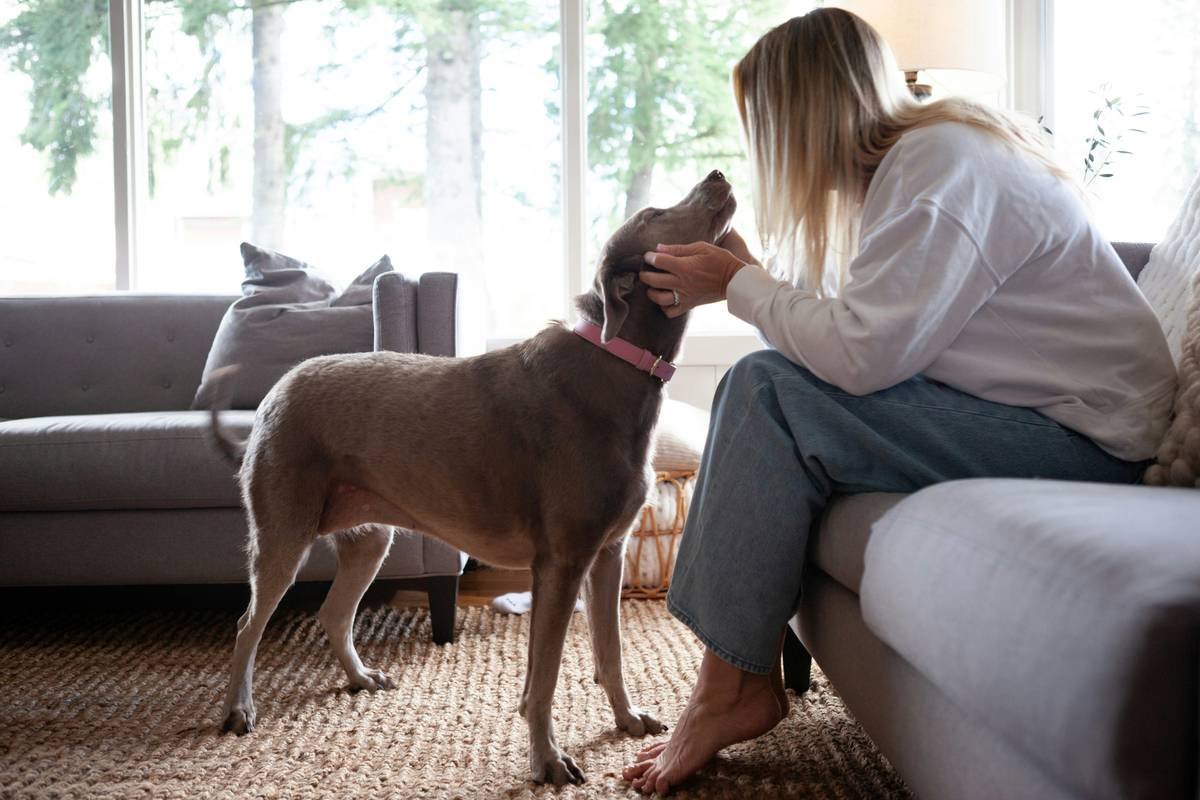
I once worked with a client whose rescue mix, Luna, stopped responding after a bout of severe otitis externa (ear infection). The vet recommended a BAER test—the gold standard for diagnosing deafness—which confirmed unilateral hearing loss. The owner asked about hearing aids, hopeful. But her Nationwide plan? Denied outright. “Prosthetics aren’t covered,” the rep said flatly.
Does Pet Insurance Actually Cover Hearing Aids?
Let’s be brutally honest: 99% of pet insurance policies exclude hearing aids. Why? Because insurers classify them as “prosthetic devices” or “elective assistive technology”—not medically necessary treatments like surgery or chemotherapy.
But there are narrow exceptions.
When Might Coverage Apply?
Optimist You: “If the hearing loss stems from a covered accident, some insurers will pay!”
Grumpy You: “Yeah, if you sign in blood, provide three oaths from veterinary neurologists, and sacrifice a squeaky toy to the claims gods.”
Here’s the fine print reality:
- Trupanion: Covers “prosthetic devices necessitated by a covered injury.” So if your dog loses hearing from head trauma in a car accident (and it’s documented within the waiting period), a hearing aid *might* be reimbursed—minus your deductible and co-pay. But congenital or age-related? Nope.
- Embrace: Their “Comprehensive Plan” includes “durable medical equipment” if prescribed as part of treatment for a covered condition. Again—only if the root cause is accident-based.
- Nationwide, ASPCA, Lemonade: Explicitly exclude hearing aids in their policy documents under “prosthetics, orthotics, and assistive devices.”
Don’t believe me? Pull up any sample policy. Scan for “prosthetic,” “hearing aid,” or “assistive device.” You’ll find exclusions faster than your dog finds a dropped chicken nugget.
The Terrible Tip Everyone Should Avoid
“Just call it ‘ear therapy’ on the claim form to sneak it through.”
NO. Absolutely not. Misrepresenting claims = insurance fraud. I’ve seen clients dropped mid-policy and blacklisted from other providers for less. Don’t risk it.
How to Maximize Your Odds of Getting Coverage
If you’re set on pursuing hearing aid coverage, follow these steps—preferably before your pet goes deaf:
1. Choose a Policy That Includes “Durable Medical Equipment”
Only a handful do. Embrace and Trupanion are your best bets. Read the policy wording carefully—look for phrases like “medically necessary prosthetics” or “assistive devices related to covered injuries.”
2. Document Everything from Day One
If an accident occurs, get immediate diagnostics: MRI, CT scan, BAER testing. Link the hearing loss directly to the incident. No paper trail = automatic denial.
3. Get Pre-Approval in Writing
Before spending $3,000 on a hearing aid, submit a pre-treatment estimate to your insurer. Demand a written response—not a verbal “maybe.”
4. Consider a Wellness Rider (But Manage Expectations)
Wellness plans cover routine care (vaccines, dental cleanings)—not high-cost interventions like hearing aids. Still, they help offset overall vet costs, freeing up cash for out-of-pocket expenses.
Real Stories, Real Bills: When Coverage Worked (and When It Didn’t)
Case Study 1: Max, the Trauma Survivor (Coverage Approved)
Max, a 4-year-old Lab, was hit by a car. His head trauma caused bilateral hearing loss. His owner had Trupanion. After submitting MRI results, vet notes, and an audiologist’s prescription, Trupanion covered 90% of a $2,800 hearing aid—minus his $250 deductible. Total out-of-pocket: $530.
Case Study 2: Bella, the Aging Cocker Spaniel (Denied)
Bella developed progressive hearing loss at age 11. Her owner submitted a claim to Healthy Paws for a hearing aid. Denied within 48 hours: “Condition is chronic and age-related; device is prosthetic and excluded.” Out-of-pocket cost: $3,200—with no reimbursement.
The difference? One was accidental. The other, natural aging. Insurers draw that line sharply.
FAQs About Pet Insurance Hearing Aid Coverage
Can cats get hearing aids?
Technically yes—but it’s extremely rare. Feline ear canals are smaller and more sensitive. Few vets attempt fitting, and success rates are low. Most owners rely on environmental cues instead.
How much do pet hearing aids cost?
$1,500–$3,500 per ear, plus $200–$500 for fitting and behavioral training sessions. Brands like VibraTec and PetPace offer canine-specific models—but they’re not FDA-cleared medical devices.
Are there alternatives to hearing aids?
Yes! Vibration collars (like the DogRook), hand signals, floor vibrations (stomping), and scent trails can all help. These cost under $100 and are often more effective long-term.
Will pet insurance cover BAER testing?
Sometimes—if ordered to diagnose a covered condition (e.g., post-seizure evaluation). But not for routine screening. Average cost: $150–$300.
Final Thoughts
Pet insurance hearing aid coverage exists in a tiny, conditional sliver of the market—and only for accident-induced hearing loss. For age-related or congenital deafness, you’ll likely pay out of pocket. But that doesn’t mean your pet’s quality of life has to suffer. With smart training, environmental tweaks, and emotional support, deaf pets thrive.
Before you invest in a policy, read the exclusions page like it’s your dog’s last treat. And if you’re already facing hearing loss in your furry friend? Focus on adaptation, not amplification. They don’t need to hear your voice—they just need to feel your love.
Like a Razr flip phone, some things are vintage but still work perfectly fine.