Ever noticed your dog tilting its head too often or your cat being unusually unresponsive? What if I told you that hearing loss in pets is more common than you think—and yet, many pet parents aren’t equipped to handle it?
In this guide, we’ll dive into everything you need to know about hearing loss pet diagnostics. From understanding the signs and symptoms to exploring pet insurance options like hearing insurance, you’ll walk away with actionable insights. Ready to become the ultimate pet care champion? Let’s dig in.
Table of Contents
- The Problem: Hearing Loss in Pets
- Step-by-Step Guide to Diagnosing Pet Hearing Loss
- Tips & Best Practices for Managing Hearing Loss
- Real-Life Success Stories
- FAQs About Hearing Loss Pet Diagnostics
- Conclusion
Key Takeaways
- Hearing loss in pets can go unnoticed until behavioral changes become apparent.
- Pet insurance, especially tailored plans like “hearing insurance,” can ease financial burdens during diagnostics and treatment.
- Early detection through professional diagnostics is critical for managing conditions effectively.
The Problem: Hearing Loss in Pets

Picture this: Your once playful pup no longer responds when called—cue panic mode. It happened to me when my golden retriever, Max, started ignoring commands he knew by heart. Initially, I thought he was just being stubborn (classic Max). Turns out, it wasn’t defiance; it was deafness creeping up on him.
Here’s why this matters:
- Studies show nearly 20% of older dogs experience some form of hearing impairment.
- Cats are equally vulnerable but harder to diagnose due to their independent nature.
Hearing loss isn’t always obvious—it sneaks up like socks under furniture. Knowing how to spot early warning signs could save you costly treatments down the road.
Step-by-Step Guide to Diagnosing Pet Hearing Loss

Optimist You: “Maybe my dog will get better without any intervention!”
Grumpy You: “Cool story, bro—but denial won’t fix Fido’s ears.”
To tackle hearing issues, follow these steps:
Step 1: Recognize Early Symptoms
Common red flags include:
- Frequent head tilting or ear scratching.
- Failure to respond to familiar sounds (doorbell, whistle).
- Unexplained anxiety or confusion.
Step 2: Schedule a Vet Visit
A veterinarian will perform a thorough examination, possibly including:
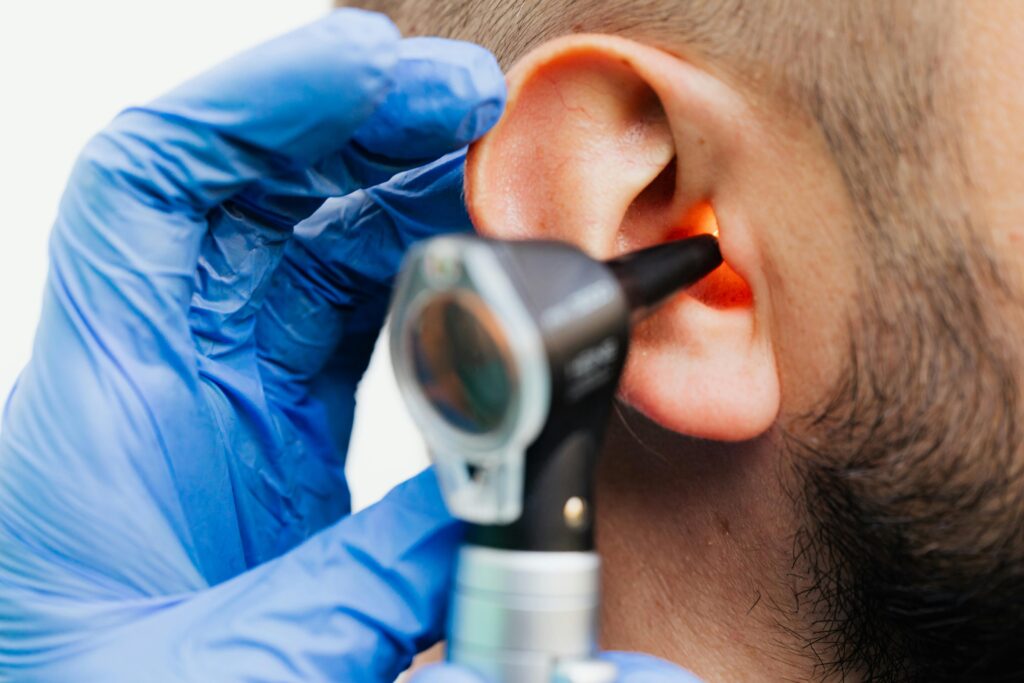
- Otoscopy: To check for infections or blockages.
- Blood Tests: To rule out underlying health issues.
- Baer Testing: A specialized test measuring brainwave activity in response to sound stimuli.
Step 3: Consult a Specialist
If initial results suggest hearing loss, consider seeing a veterinary neurologist or audiologist who specializes in animal diagnostics. Yes, they exist!
Tips & Best Practices for Managing Hearing Loss
1. Train Using Visual Cues
Teach hand signals as alternatives to verbal commands. Think ASL for pets—chef’s kiss!
2. Create Safe Spaces
Ensure your home environment minimizes hazards for a hard-of-hearing pet. No loose rugs or cluttered corners—they’re the ultimate trip hazards.
3. Terrible Tip Alert!
Do NOT use loud noises to “snap” them out of their funk. Trust me, nothing screams “I hate you” louder than blasting air horns at a scared dog. (True story.)
Real-Life Success Stories
Lisa, a cat owner from Colorado, shares her journey: “My cat Luna stopped coming when called. After a Baer test revealed severe hearing loss, I enrolled her in agility training using laser pointers. She adapted beautifully!”
Stories like Lisa’s prove early diagnosis + proactive care = a happier fur baby.
FAQs About Hearing Loss Pet Diagnostics
Is pet hearing loss always permanent?
Nope! Some cases stem from treatable causes like ear infections or wax buildup.
Can puppies develop hearing problems?
Yes, especially congenital ones linked to breed predispositions.
What role does pet insurance play?
Insurance can cover diagnostic tests, specialist visits, and sometimes even treatments, depending on your plan. Look into add-ons like “hearing coverage” if available.
Conclusion
Understanding hearing loss pet diagnostics transforms overwhelmed pet owners into empowered caretakers. Whether it’s spotting subtle symptoms, navigating vet appointments, or investing in hearing-specific pet insurance, knowledge truly is power.
Remember, every pet deserves love, patience, and a fighting chance against adversity. So next time Fido tilts his head—don’t ignore it!
Like a Tamagotchi, your pet’s health thrives on daily attention.
Beep boop, good luck! 👩⚕️🐾