Ever noticed your furry best friend ignoring your calls or flinching at loud noises? You’re not alone. Dog hearing loss is more common than you think—about 20% of dogs suffer some degree of hearing impairment, and it can strike even in their puppy years. But here’s the kicker: most pet parents don’t realize it until it’s too late. In this post, we’ll dive into dog hearing loss diagnostics, helping you spot early warning signs, understand diagnostic processes, and navigate pet insurance options tailored for hearing care. By the end of this article, you’ll feel empowered with actionable steps, tips, and real-world advice.
Table of Contents
- Key Takeaways
- Understanding Dog Hearing Loss: Why It Happens
- Step-by-Step Guide to Diagnosing Dog Hearing Loss
- Tips and Best Practices for Managing Dog Hearing Loss
- Real-Life Examples: Success Stories from Pet Parents
- Frequently Asked Questions About Dog Hearing Loss Diagnostics
Key Takeaways
- Dog hearing loss affects roughly 20% of dogs but often goes undiagnosed.
- Diagnostic tools like BAER tests are essential for identifying hearing impairments early.
- Pet insurance plans, including coverage for hearing issues, can save thousands on diagnostics and treatments.
- Early detection through behavior monitoring can significantly improve outcomes for dogs with hearing loss.
Understanding Dog Hearing Loss: Why It Happens
A few months ago, I made a rookie mistake—I ignored my dog Max’s sudden disinterest in fetch games. Turns out, he wasn’t being lazy; his ears were failing him. Ouch. That confession feels personal because it highlights how easy it is to overlook subtle clues. Unfortunately, many dog owners find themselves in similar situations, caught off guard by unexpected diagnoses. So, why does dog hearing loss occur?
Hearing loss in dogs stems from various causes:
- Age-related degeneration: Like humans, older dogs experience natural wear and tear on their auditory system.
- Genetic predispositions: Breeds like Dalmatians and Bulldogs are prone to congenital deafness.
- Infections and trauma: Ear infections or injuries can impact sound transmission.
Ignoring these symptoms means missing out on crucial interventions that could preserve quality of life.

Step-by-Step Guide to Diagnosing Dog Hearing Loss
Optimist You:* “Detecting dog hearing loss sounds simple!” Grumpy You: “Yeah, right. Unless you’re Sherlock Holmes.” Here’s a no-nonsense guide:
- Monitor Behavior Closely: Look for changes like unresponsiveness, excessive barking, or head tilting.
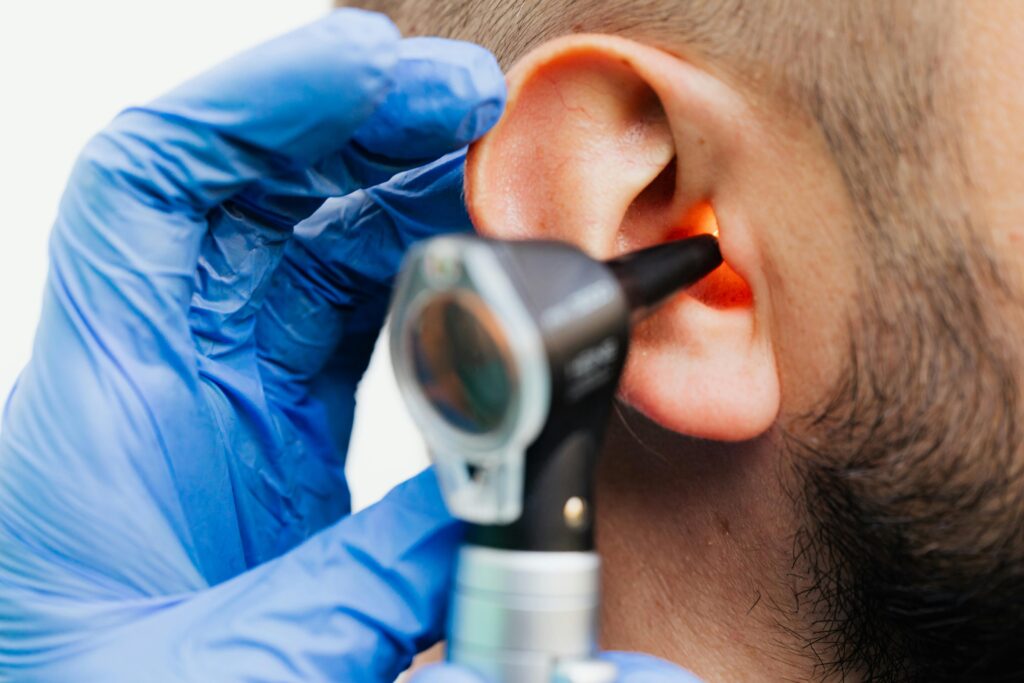
- Veterinary Evaluation: Schedule an appointment ASAP if symptoms persist. Your vet may perform physical ear exams.
- BAER Test: Brainstem Auditory Evoked Response (BAER) testing measures electrical activity in response to sounds—a chef’s kiss for accurate diagnostics.
- Detailed Imaging: X-rays or MRIs might be recommended if structural abnormalities are suspected.
Pro Tip: Always ask about bundled services during vet visits—they could save time *and* money!

Tips and Best Practices for Managing Dog Hearing Loss
Now let’s talk strategy. One terrible tip floating around online suggests teaching hand signals after advanced stages of hearing loss. Newsflash: Starting earlier ensures smoother transitions. Follow these better practices instead:
- Start Training Early: Introduce visual cues alongside verbal commands while your dog still hears well.
- Soundproof Safe Spaces: Minimize stress by creating quiet zones free from noise triggers.
- Check Insurance Coverage: Not all pet policies include hearing diagnostics—read the fine print carefully.
And please, stop relying solely on YouTube tutorials. They’re helpful, sure, but nothing beats professional guidance. Sounds like your laptop fan during a 4K render? Whirrrr—that’s frustration screaming!

Real-Life Examples: Success Stories from Pet Parents
Meet Sarah, whose 7-year-old Beagle, Charlie, was diagnosed with age-related hearing loss. She took immediate action:
“After noticing Charlie ignoring our calls, we went straight to a specialist who confirmed mild hearing loss via a BAER test. We adjusted by introducing hand signals and enrolling him in therapy sessions. Today, he thrives despite the challenge!”
Sarah credits her quick response—and comprehensive pet insurance—to Charlie’s positive outcome. Moral of the story? Proactivity pays off big time.
Frequently Asked Questions About Dog Hearing Loss Diagnostics
Q: Is dog hearing loss reversible?
A: Rarely. However, conditions causing temporary loss (like infections) can sometimes be treated successfully.
Q: How much does a BAER test cost?
A: Costs range from $150–$500 depending on location.
Q: Does pet insurance cover hearing diagnostics?
A: Some plans do, especially those labeled “comprehensive.” Check exclusions before purchasing!
Conclusion
Deciphering dog hearing loss diagnostics isn’t rocket science—but it does require vigilance, patience, and the right resources. Remember: early detection + proactive management = happier pups (and fewer headaches for you). Armed with insights from this post, you’re now ready to tackle anything—from quirky training hacks to pesky policy loopholes.
Like a Tamagotchi, your pup’s health needs daily TLC. And hey, here’s a bonus haiku just for you:
Whiskers twitch at night,
Silence speaks louder than words—
Love bridges the gap.